
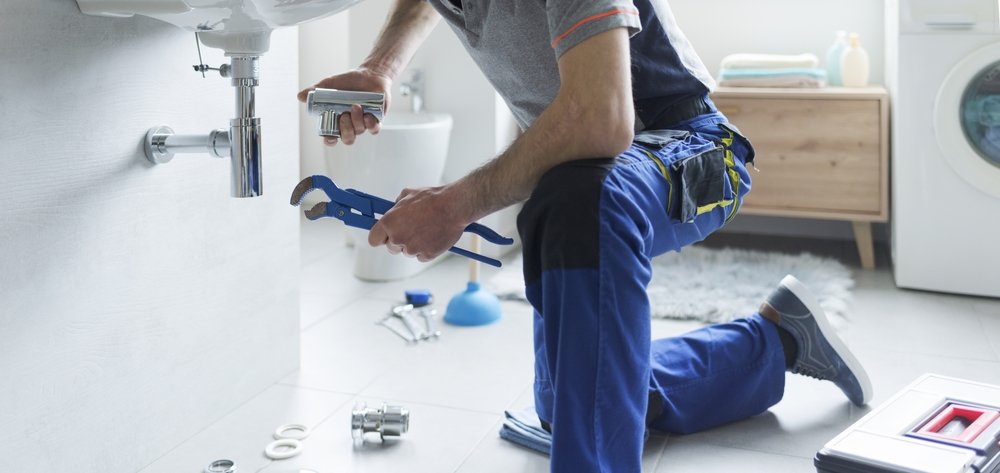
Drains get clogged primarily due to the gradual accumulation of materials such as hair, grease, food waste, and soap scum inside the pipes. These materials stick to the pipe walls, narrowing the passage for water until a complete blockage forms.
Common Culprits for Clogged Drains
The specific causes of clogs often depend on the drain’s location (kitchen, bathroom, or main sewer line):
- Hair: This is one of the most frequent causes of clogs, especially in bathroom sinks, showers, and tubs. Hair strands bind together and combine with other substances, forming dense, stubborn clumps that get stuck in the drain and piping.
- Grease, Fats, and Oils (FOG): When hot, these liquids may seem harmless, but as they cool, they solidify into a sticky, thick sludge that coats the inside of kitchen pipes. This residue then traps food particles and other debris, leading to significant blockages over time.
- Food Waste: Even with a garbage disposal, certain food scraps can cause problems. Fibrous foods (like celery and potato peels), coffee grounds, eggshells, and starchy items (like rice and pasta) don’t break down easily and can accumulate in the pipes.
Signs of a Clogged Drain
A blocked drain can lead to water accumulation, creating an environment conducive to bacteria growth and spread. Therefore, it’s crucial to be vigilant about any potential drainage issues, whether in your kitchen sink or bathtub.
The drain cleaning experts at PlumbWell recommend watching for the following warning signs:
- Slow Draining Water
- Overflowing Drains
- Unusual Noises from Your Pipes
- Multiple Fixtures Clogged Simultaneously
No matter what the cause is, it’s essential to address clogs promptly to prevent jeopardizing your entire plumbing system. Our PlumbWell professionals are ready to assist with our drain cleaning services for residents in New Jersey.
Be aware of these typical drain backup issues in your home:
- Shower/Tub Backups: The primary culprit for these backups is hair. Each time you shower, you naturally lose hundreds of hair strands, which can accumulate and clog your drain.
- Main Drain Backups: If your main drain is clogged, start by checking the plumbing fixtures that are lowest to the ground for blockages. Toilets, bathtubs, and showers are often the first to experience issues when there’s a problem with the main drain.
- Toilet Backups: These are usually caused by items that shouldn’t be flushed, such as children’s toys, feminine hygiene products, or excessive toilet paper.
- Kitchen Drain Backups: Grease is the leading cause of kitchen drain clogs. Unfortunately, grease can come from various sources, including soapy water, making it challenging to avoid.
Methods of Clearing Clogs
Mechanical Methods
- Drain Snaking (Augering): Plumbers use a professional grade drain snake (auger), which is a long, flexible metal cable with a cutting head or corkscrew tip attached. This device is inserted into the pipe to either physically break up the clog (like tree roots or dense hair balls) or retrieve it by hooking onto the material and pulling it out.
- Camera Inspection: Before clearing a tough clog, professionals often use a small, waterproof camera inserted into the pipe to visually locate the exact position, nature, and extent of the blockage or pipe damage. This ensures the correct solution is applied.
High-Pressure Water Methods
- Hydro-Jetting: This is a highly effective, non-invasive method for clearing stubborn blockages and cleaning the pipe walls. A specialized hose is inserted into the drain and blasts water at extremely high pressure (up to 4,000 PSI or more) to scour away built-up grease, soap scum, scale, and even tree roots. It essentially restores the pipe to near-original condition.
Chemical and Biological Methods
- Commercial-Grade Chemical Cleaners: While retail chemical cleaners are generally discouraged due to pipe damage risk, plumbers may sometimes use professional-grade, stronger acidic or alkaline chemicals to dissolve specific types of clogs that are difficult to reach mechanically.
- Biological/Enzymatic Cleaners: For ongoing maintenance or lighter clogs caused by organic material, plumbers might recommend biological treatments. These use bacteria and enzymes to digest organic waste (grease, food particles, hair) without harming the pipes or the environment.
Repair and Replacement
- Pipe Repair or Replacement: In cases where the clog is caused by severe structural issues, such as a collapsed pipe, significant root intrusion that has cracked the line, or a misaligned section (“belly”), the professional solution might involve excavating the area and repairing or replacing the damaged section of pipe.
Professionals at PlumbWell use specialized tools and techniques to effectively clear clogs, with the primary solutions being mechanical drain snakes (augers) and high-pressure hydro-jetting. The method used depends on the clog’s location, severity, and the pipe’s condition. Call PlumbWell today for one of our professionals to assist you with your next clogged drain.