
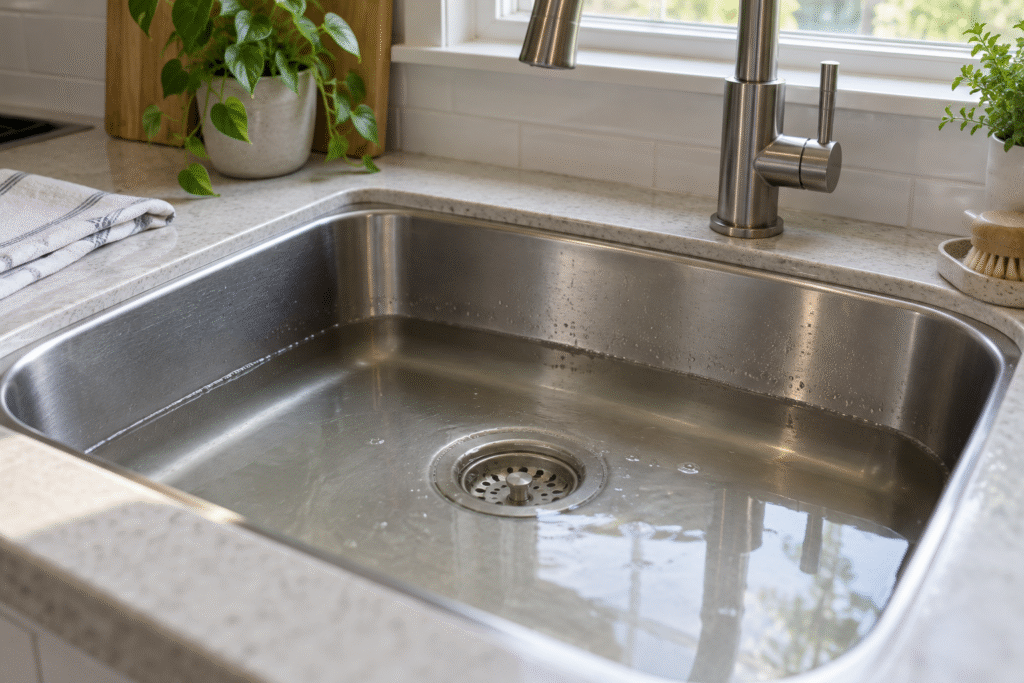
You clear the kitchen sink, and the water finally drains. A week later, you’re washing dishes in standing water again. When the same drain keeps clogging, repeating the same fix gets frustrating quickly.
A recurring clog can mean that material remains inside the pipe, everyday debris is rebuilding the blockage, or a problem farther down the line is catching waste. The next step is to identify why the restriction keeps returning so the cleaning method—or repair—addresses the cause.
Why Does the Same Drain Keep Clogging?
Where the clog occurs and how it returns offer useful clues. A kitchen sink that gradually slows down may have a different problem from a shower that backs up whenever the toilet flushes.
Grease and food debris keep accumulating
Cooking grease, oils, and food scraps can collect inside kitchen drain lines. Clearing enough material to restore flow may leave deposits behind, giving new debris a place to collect.
A garbage disposal does not make every food scrap suitable for the drain. Scraping plates into the trash and collecting cooled cooking grease in a disposable container reduce what enters the plumbing. The EPA identifies fats, oils, grease, and inappropriate flushed materials as contributors to sewer overflows.
Hair and soap residue are rebuilding the blockage
Bathroom drains regularly receive hair and soap residue. Cleaning an accessible stopper may help when debris is collecting near the opening, but it will not remove material farther down the pipe.
Notice how quickly the problem returns. That history gives a plumber useful context when deciding where to investigate.
The previous cleaning did not reach the entire obstruction
A drain snake can remove or break apart a blockage, but the result depends on the equipment, attachment, pipe, and material involved. Water moving again does not establish that every restriction has been removed.
PlumbWell Pros’ drain cleaning services describe mechanical snaking and hydro jetting as options selected according to the blockage and pipe condition.
Roots or pipe defects are catching waste
Some recurring problems originate in the sewer line. Roots can enter through openings or compromised joints, while displaced joints or sagging sections can interfere with drainage.
Cleaning may restore flow without correcting a physical defect. PlumbWell Pros’ main line backup information explains these causes and why repeated backups sometimes require more than clearing debris.
Is It One Clogged Drain or a Larger Drainage Problem?
Before calling, write down what you have already noticed. You do not need to run extra water to test a system that is backing up.
Useful details include:
- Which fixture slowed down first: The kitchen sink, bathroom sink, shower, or toilet.
- Whether other fixtures are affected: Several slow drains may indicate a shared drainage problem.
- Whether one fixture affects another: For example, a toilet flush followed by water rising in the shower.
- How long the previous fix lasted: Hours, days, or several months.
- Whether there has been an actual overflow: Tell the plumber immediately if wastewater is entering the room.
These observations help describe the problem, but they cannot confirm the blockage’s location by themselves.
If several fixtures are backing up, stop using water and seek plumbing assistance. The American Red Cross advises avoiding sinks, showers, and toilets when sewage lines may be damaged.
What Should You Do When a Clog Returns?
For a single slow drain with no overflow, begin by removing accessible surface debris from the strainer or stopper, following the fixture’s instructions. Avoid forcing tools into an unfamiliar drain assembly.
If the problem keeps returning, arrange an assessment and explain what has already been tried. Keep a short record of previous cleaning dates, affected fixtures, and any products used.
Repeated chemical treatments are a poor substitute for finding the cause. Many drain cleaners contain corrosive substances, and a blocked drain can leave those chemicals sitting where they may splash during later work. Poison Control explains the hazards of chemical drain cleaners.
Never mix cleaning products. If you have already used a drain cleaner, tell the plumber the product name and when you poured it in.
How Does a Plumber Choose the Right Solution?
The appropriate approach depends on what is restricting the pipe and whether the pipe is sound.
Mechanical cleaning uses a cable and suitable attachment to work on the obstruction. It can be appropriate for many localized clogs.
Hydro jetting uses pressurized water to remove deposits and debris. It is not automatically the right choice for every recurring blockage.
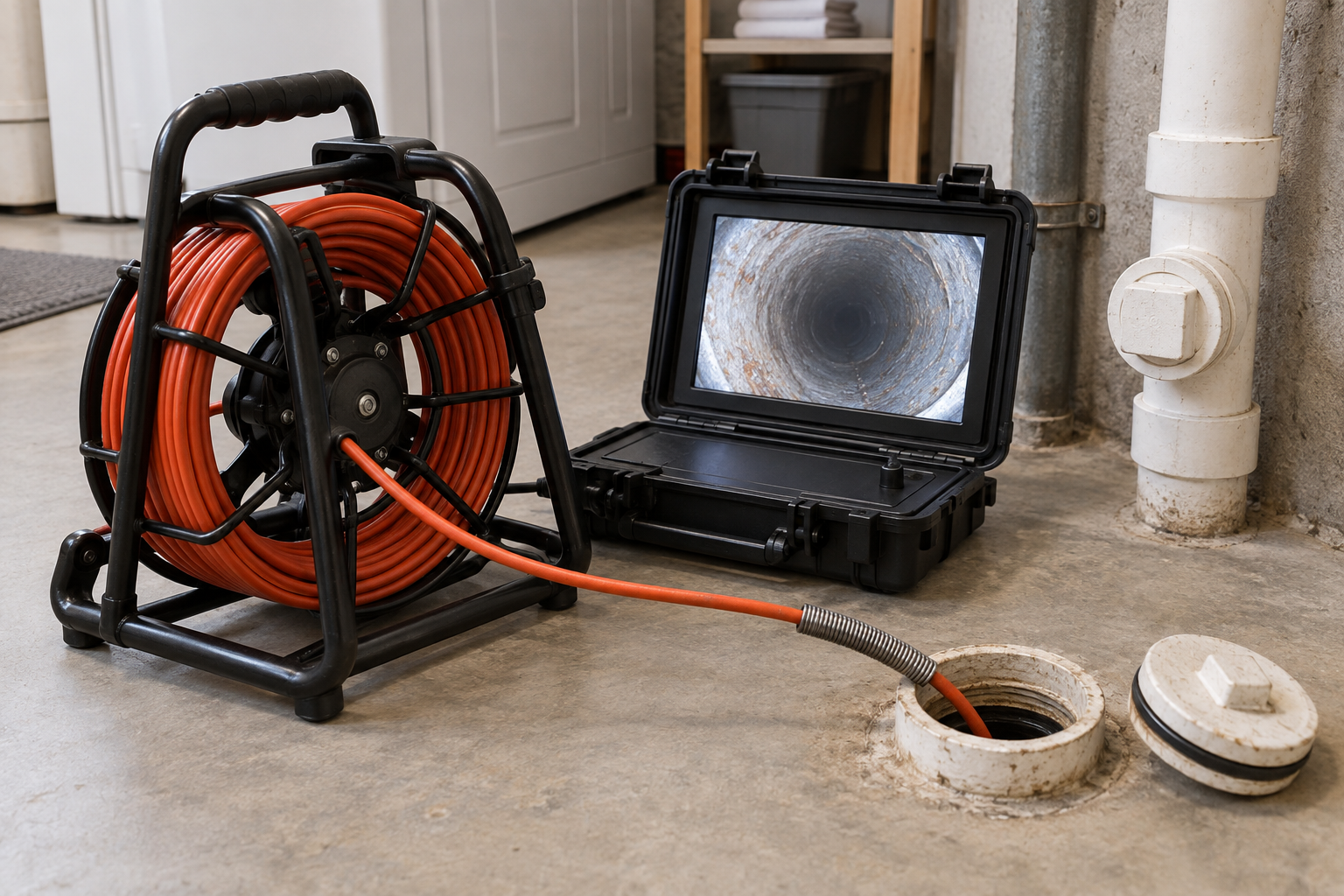
Camera inspection can help assess visible conditions inside the line. Access and visibility matter, and some clearing may be necessary before useful footage is possible.
Pipe condition deserves particular attention before jetting. RIDGID’s water jetter manual explains that cleaning can be ineffective or cause damage when a drain is in poor condition, and identifies camera inspection as a way to assess the line.
Ask the plumber what the findings show, why the recommended method fits the problem, and whether a repair is needed to address recurring trouble.
How Can You Reduce Future Drain Clogs?
After the immediate problem is resolved, focus on keeping avoidable material out of the system:
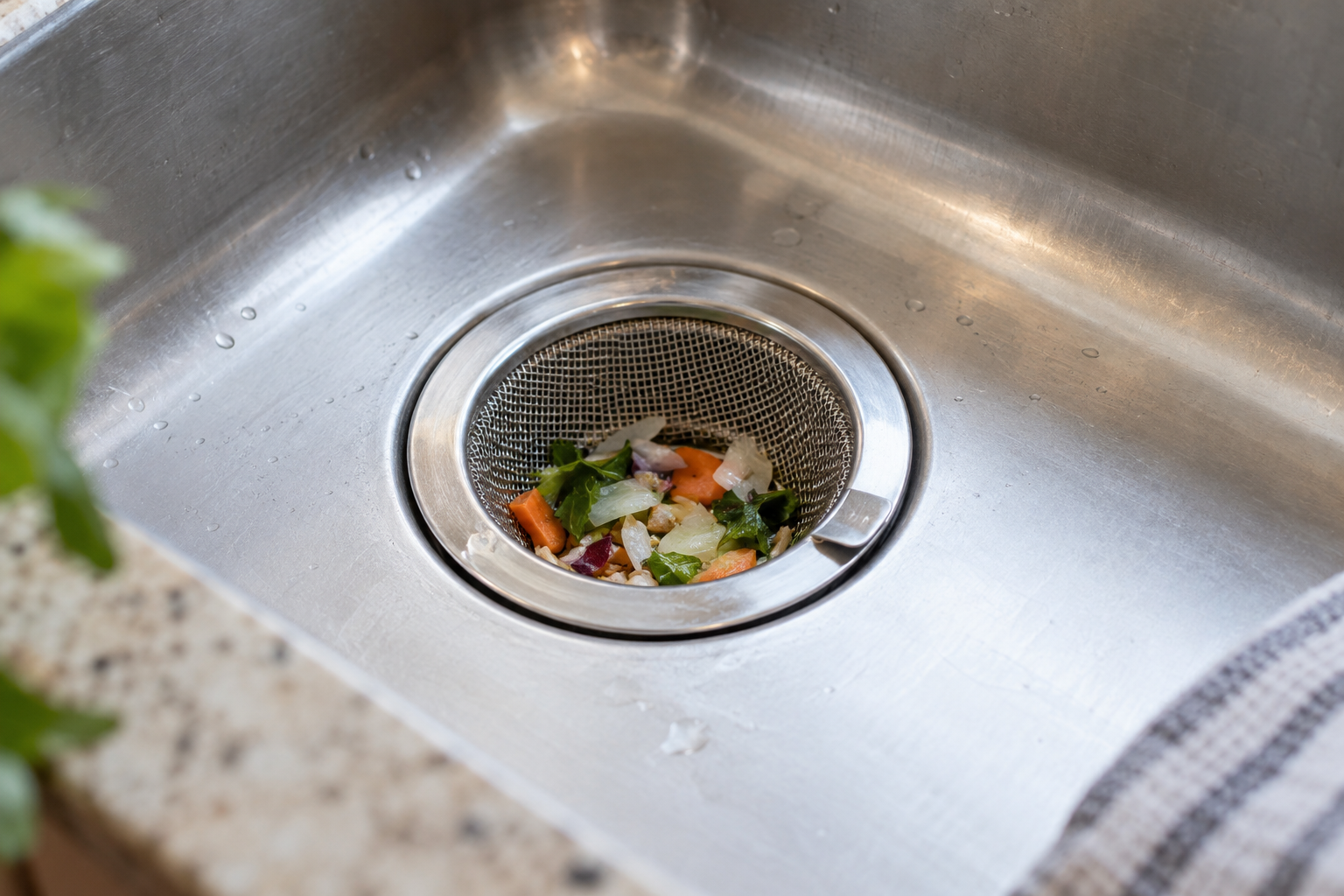
- Use shower and sink strainers, and empty them regularly.
- Scrape food into the trash before washing dishes.
- Collect cooking grease instead of pouring it down the sink.
- Flush only human waste and toilet paper.
- Follow any maintenance recommendations based on the condition of your pipes.
The EPA advises keeping wipes and other non-flushable products out of toilets because they can damage household plumbing and wastewater systems.
Get Help With Recurring Drain Clogs in Northern New Jersey
You should not have to plan household chores around a drain that repeatedly backs up. Contact PlumbWell Pros about professional drain cleaning in Northern New Jersey and explain how often the problem returns.
If a clog has become an active overflow or wastewater backup, request emergency plumbing assistance. Call 201-551-9463 to discuss the problem.