
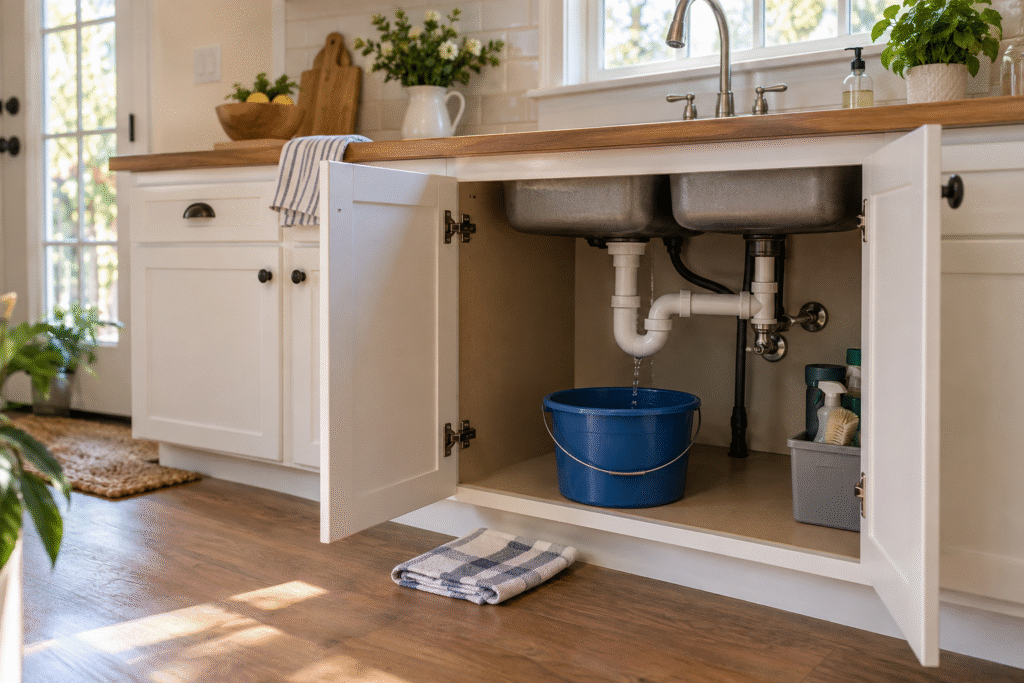
Water is spreading across the floor, a toilet is overflowing, or a pipe is leaking behind a cabinet. You have called for help, but what should you do while the plumber is on the way?
Before an emergency plumber arrives, prioritize safety, stop incoming water if a supply leak can be isolated safely, and stop using fixtures if wastewater is backing up. Then give the plumber a clear description of the situation and keep the affected area accessible.
The right first response depends on where the water is coming from. A broken supply pipe and a sewer backup require different actions.
First, Check Whether It Is Safe to Stay Nearby
Do not enter standing water to reach a shutoff valve, appliance, or electrical panel. Wet electrical equipment can create a serious shock hazard. The American Red Cross warns against touching electrical equipment that is wet or while standing in water.
Keep children and pets away from the affected area. If there is immediate danger, move to safety and call 911.
If you smell gas or suspect a gas leak, leave the building immediately. Do not operate switches, unplug appliances, or use a phone inside. From a safe location, call 911 or your gas utility. Follow PSE&G’s gas leak safety instructions if it is your provider.
Once the area is safe, focus on limiting the plumbing problem.
What to Do Before an Emergency Plumber Arrives: Five Steps
1. Stop incoming water when a supply pipe is leaking
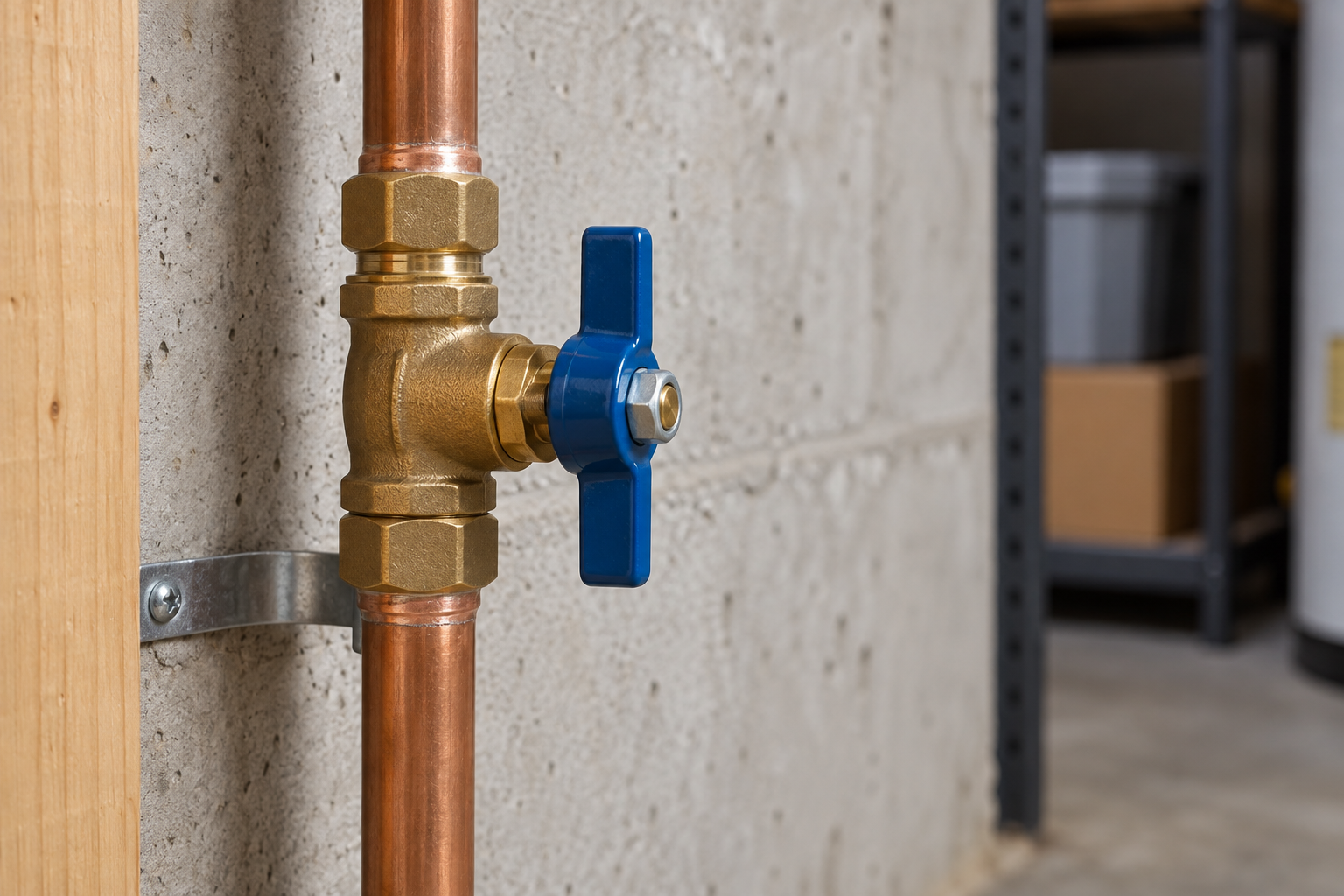
If a known fixture shutoff is safely accessible, closing it may isolate a leaking sink or toilet supply. If the leak cannot be isolated, use the home’s main water shutoff when you can reach and operate it safely.
The main valve is often near the water meter or where the supply pipe enters the house, although its location varies. American Water recommends that everyone in the household know where this valve is and how to operate it.
Do not force a stuck valve. Tell the plumber if the valve will not move, you cannot locate it, or water continues flowing after you close it.
2. Stop using water if drains are backing up
For a suspected sewer backup, stop flushing toilets and using sinks, showers, the washing machine, and the dishwasher. Additional water can enter the same drainage system and worsen the overflow.
Closing the main water valve does not clear a sewer blockage or necessarily stop wastewater coming back from outside the home. The immediate priority is to stop adding water and call for assistance. This follows the Red Cross guidance to avoid using plumbing fixtures when sewage lines may be damaged.
PlumbWell Pros’ main line backup service page provides more information about problems affecting the shared wastewater line.
3. Give the plumber the details that affect the response
Describe what you can observe without entering an unsafe area. You do not need to diagnose the failure.
Have these details ready:
- Your address, callback number, and access instructions.
- Where you first noticed the water.
- Whether water is still flowing or rising.
- Whether one fixture or several are affected.
- Whether you have closed a water valve.
- Whether sewage, electrical equipment, or a suspected gas leak is involved.
- Any drain cleaner or other treatment already used.
Ask for the expected arrival window and instructions specific to your situation. If conditions worsen after the call, update the plumber.
If you rent or live in a managed building, notify the property manager as well. They may need to provide access to shared plumbing or coordinate with neighboring units.
4. Protect belongings only when you can do so safely
From a dry, safe location, move nearby belongings out of the water’s path. Take photographs of visible conditions if that does not delay urgent action.
For a small, contained clean-water leak, a bucket or towels may help protect the immediate area. Do not handle wet electrical devices or enter contaminated water to retrieve possessions.
If sewage or extensive flooding is involved, keep the area closed off and ask about appropriate cleanup assistance. The Red Cross recommends keeping children and pets away from floodwater and avoiding use of flooded appliances until they have been checked.
5. Prepare safe access and leave repairs to the plumber
Clear a route to the affected fixture or utility area where it is safe to do so. Secure pets and make sure someone can answer the plumber’s call or provide entry.
Avoid taking apart pipes, opening sewer cleanout caps, or repeatedly testing blocked fixtures while waiting. Keep any product containers or previous service information available so the plumber knows what has already been done.
For an active drain backup, professional drain cleaning may be part of the solution. The cause still needs to be assessed before choosing a method.
Does Every Plumbing Problem Require an Emergency Visit?
The urgency depends on whether the problem is causing active damage, creating an unsafe condition, or preventing essential plumbing use.
Call promptly about uncontrolled leaks, overflowing wastewater, a burst pipe, or a toilet problem that leaves the household without a usable toilet. PlumbWell Pros lists these types of urgent failures among its emergency plumbing services.
A contained faucet drip or a single slow drain with no overflow may be suitable for a scheduled appointment. If you are uncertain, describe the symptoms by phone and ask how urgently the problem should be addressed.
Make the Next Emergency Easier to Handle
Once repairs are complete, ask the plumber to identify your main shutoff and any relevant fixture valves. Label them and keep access clear.
A valve that cannot be operated easily deserves attention before another leak occurs. New Jersey American Water advises against forcing a resistant shutoff valve.
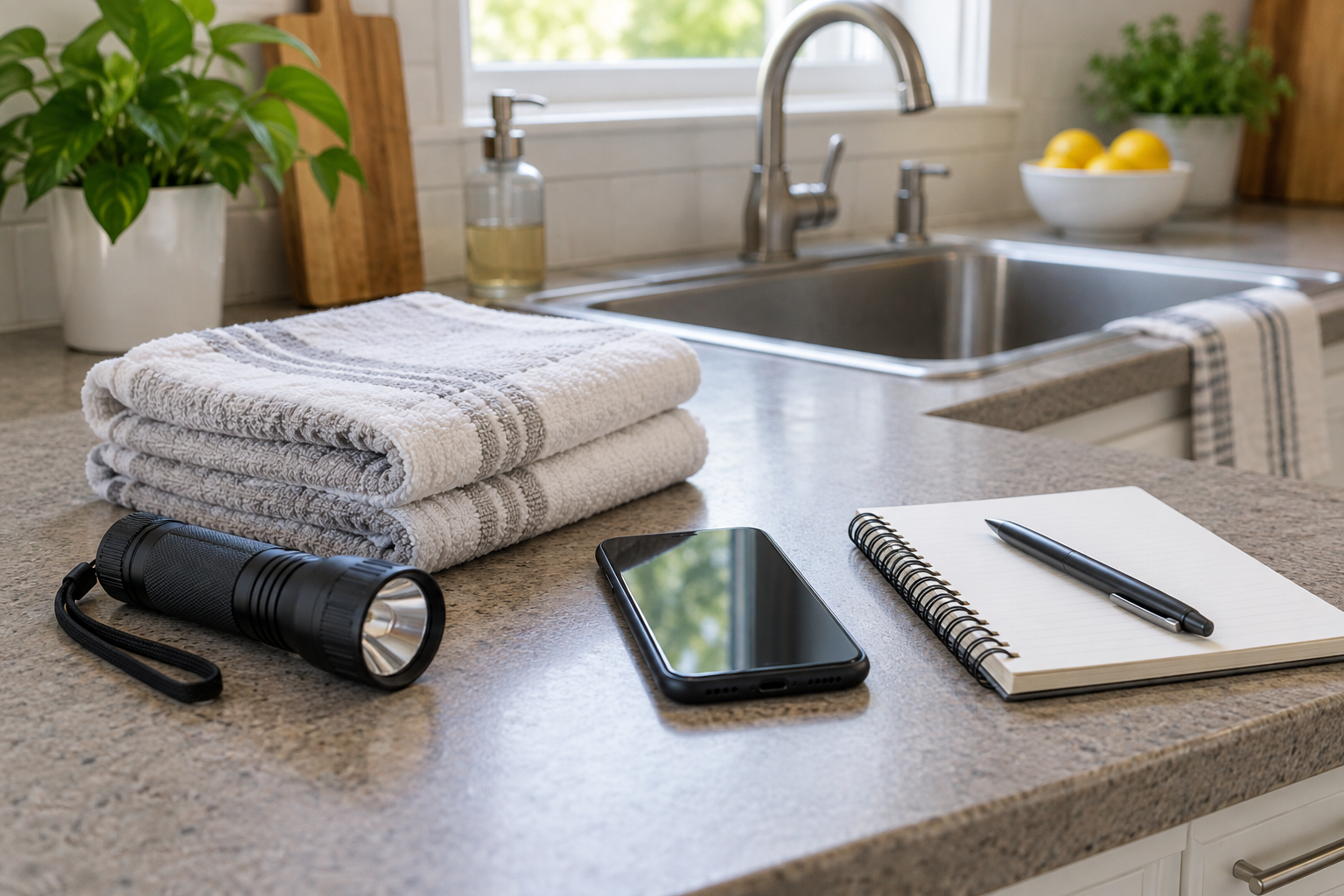
Save the plumber’s number, keep a flashlight accessible, and make sure other adults in the home know where the main shutoff is located.
Need an Emergency Plumber in Northern New Jersey?
PlumbWell Pros offers 24/7 emergency plumbing in Northern New Jersey for urgent problems including severe leaks, burst pipes, and sewer backups.
Call 201-551-9463 and explain what is happening, whether water is still moving, and what steps you have already taken. While help is on the way, keep people clear of hazards and follow the instructions provided for your situation.